
A guide for parents
Is boarding right for my child?
There is no single right answer or right age. Whether boarding suits a child depends on the child, on your family’s reasons, and on how a particular school runs its boarding. This guide sets out the questions that matter – and, where it helps, how PSSEMR answers them.
The short answer
Boarding tends to work well when a child is reasonably settled in themselves, when the family’s reason for choosing it is a positive one, and when the school is clear – in writing – about routine, care and contact with home. It tends to be harder when it is chosen mainly to solve a problem the child is already struggling with, or when the family cannot keep to the school’s rules about calls and visits.
None of that depends on a particular age. Some children are ready at nine; others are happier waiting until they are thirteen. The questions below are a better guide than a birthday.
Questions to ask about your child

- Have they spent nights away from home before – with grandparents, at a camp – and how did they manage?
- Can they look after their own routine? Getting up on time, keeping their things together, asking an adult for help.
- How do they handle a new group? Some children find their feet in days; others need a term.
- Do they want to go? A child who has been part of the decision usually settles faster than one who feels it was made for them.
- Is there a health or learning need that needs close daily attention? If so, ask the school directly what support it can and cannot give.
Questions to ask yourselves as a family


- Why boarding, and why now? Write the reason down. ‘More study time and structure’ or ‘a campus with facilities we cannot get locally’ are good reasons. ‘Things are difficult at home at the moment’ is worth talking through with the school honestly.
- Can we keep to the school’s contact rules? Boarding schools set times for calls and visits. Children usually settle faster when those times are kept predictable.
- How far away will we be? Think about an emergency at night, as well as ordinary visiting days.
- Can we plan for the whole stay? Fees run for every year your child boards, and most schools do not refund fees once the year has started. Read the withdrawal terms before you accept a place.
Questions to ask any boarding school
Ask every school you are considering the same questions, and ask for the answers in writing. Here are PSSEMR’s.
| Ask the school | PSSEMR’s answer |
|---|---|
| Who is responsible for my child at night? | A warden and assistant wardens in every boarding house, under the Chief Warden. |
| How many children does each adult look after? | Every mentor teacher has five students. |
| What happens if my child is ill at night? | A four-bed health centre with a qualified nurse; medicine after a teleconsultation with a doctor; a staff escort to SSIMS or Bapuji Hospital if hospital care is needed. |
| When can my child call home, and is there a charge? | Once a week, at no charge. |
| When can I visit? | Once every 45 days, and on parent–teacher meeting days; you may take your child out for the day after a meeting. |
| How do you help a new boarder settle in? | A warden on duty in the house and a mentor teacher for every five students; the school’s stated priority in the first weeks is getting a new boarder comfortable in the house. |
| What does the day look like, hour by hour? | Published in full: 5:30am wake-up to 10:15pm lights off, with two hours of supervised prep. |
| What exactly is in the fee? | One annual fee covering tuition, meals and hostel; uniforms, books and kit are billed separately. |
| How is a complaint handled? | A Child Protection Committee meets the person who complains within three days. |
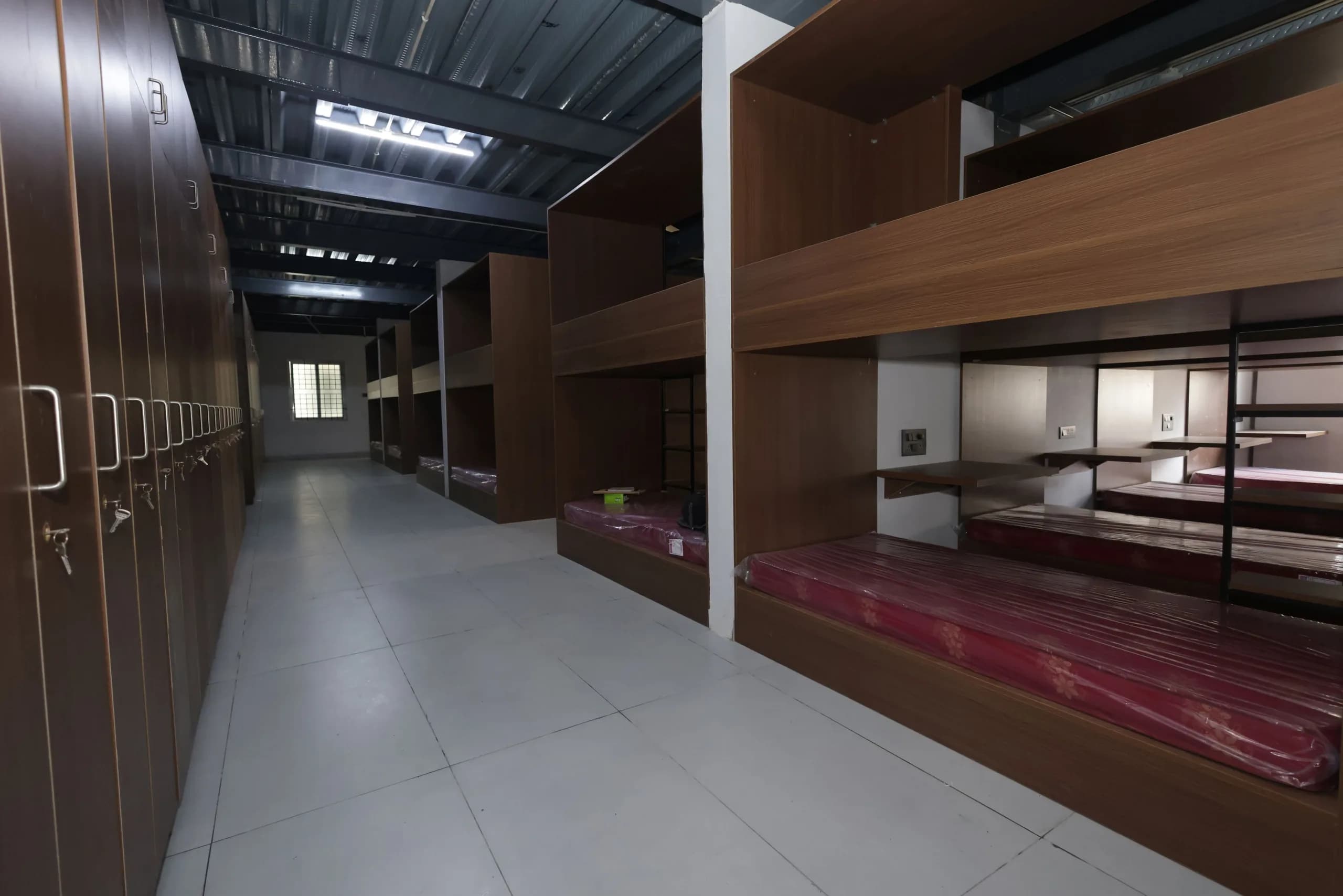
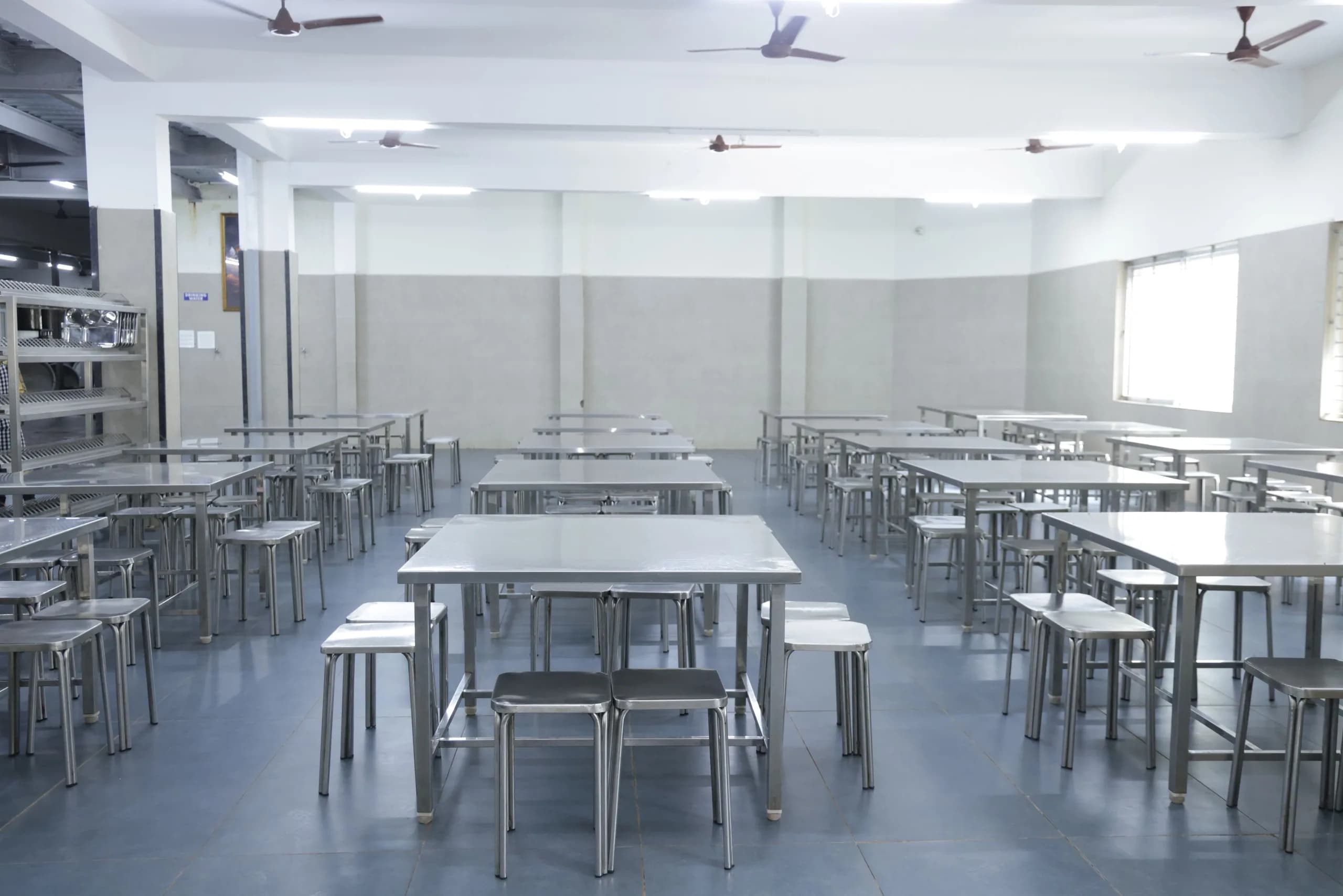
| Can I see a dormitory and a dining hall at mealtime? | Yes – families are shown the boarding facilities at admission time. Ask when you book your visit. |
What the first weeks are usually like
Most new boarders miss home, and many do so most in the evenings and at weekends in the first weeks. It usually eases as the routine becomes familiar and friendships form. A few practical things tend to help:
- Keep calls predictable. A call at the agreed time, every time, helps more than many unplanned ones.
- Sound confident, even if you are not. Children take their cue from how their parents sound.
- Avoid promising to bring them home if they are unhappy in the first week. Talk to the warden or mentor instead.
- Tell the school what you notice. If your child sounds different on a call, say so; the mentor and warden can look out for it.
If a child is still very unhappy after the first term, that is a conversation to have openly with the school, not something to wait out. The school’s own position is that every child takes time to adjust to a hostel, and that missing parents and family is the usual reason; raise it with the warden or your child’s mentor teacher rather than waiting for the year to pass.
If you are not sure yet: a middle way
At PSSEMR, day scholars can stay for the supervised evening prep that boarders do from 6 to 8pm, by paying the difference in tuition. Some families use it to get more structured study time without boarding, or to see how their child copes with a longer school day.
A one-page checklist to take on a school visit
- Who is with the children at night, and how do I reach them?
- How many children does each adult look after?
- What happens, step by step, if a child is ill at 2am?
- When are calls home, and how long are they?
- When can we visit, and where do we meet our child?
- How are new boarders settled in during the first weeks?
- Can I see the timetable for a full weekday and a weekend?
- What is included in the fee, and what is billed separately?
- What are the refund and withdrawal terms?
- How is a complaint handled, and how quickly?
Questions parents ask
What is the right age to start boarding?
There is no single right age. Readiness – managing a routine, coping with a new group, wanting to go – matters more than age. At PSSEMR, boarding is offered from Class I, at age six, to Class X.
Will my child be homesick?
Probably, at least at first. That is normal, and it usually eases as the routine becomes familiar. What matters is that the school notices and has a plan, and that calls home are predictable.
How often can we talk?
At PSSEMR: every boarder gets a phone call home each week, at no charge. Students do not keep phones.
Can we visit?
At PSSEMR: once every 45 days, and on parent–teacher meeting days. After a meeting you may take your child out for the day.
What if boarding does not work out?
Talk to the school early. Before you accept a place, read the withdrawal and refund terms: at PSSEMR, fees once paid are not refunded, and the full year’s fee is payable once the school has reopened.
Is boarding only for children who are struggling at home?
No. Many families choose boarding for the structure, the study time and the facilities of a residential campus. If there are difficulties at home, tell the school – it helps them look after your child.
Talk it through – no commitment
If you would like to talk about whether boarding suits your child, leave your number. Someone from the admissions office will call you back during office hours.